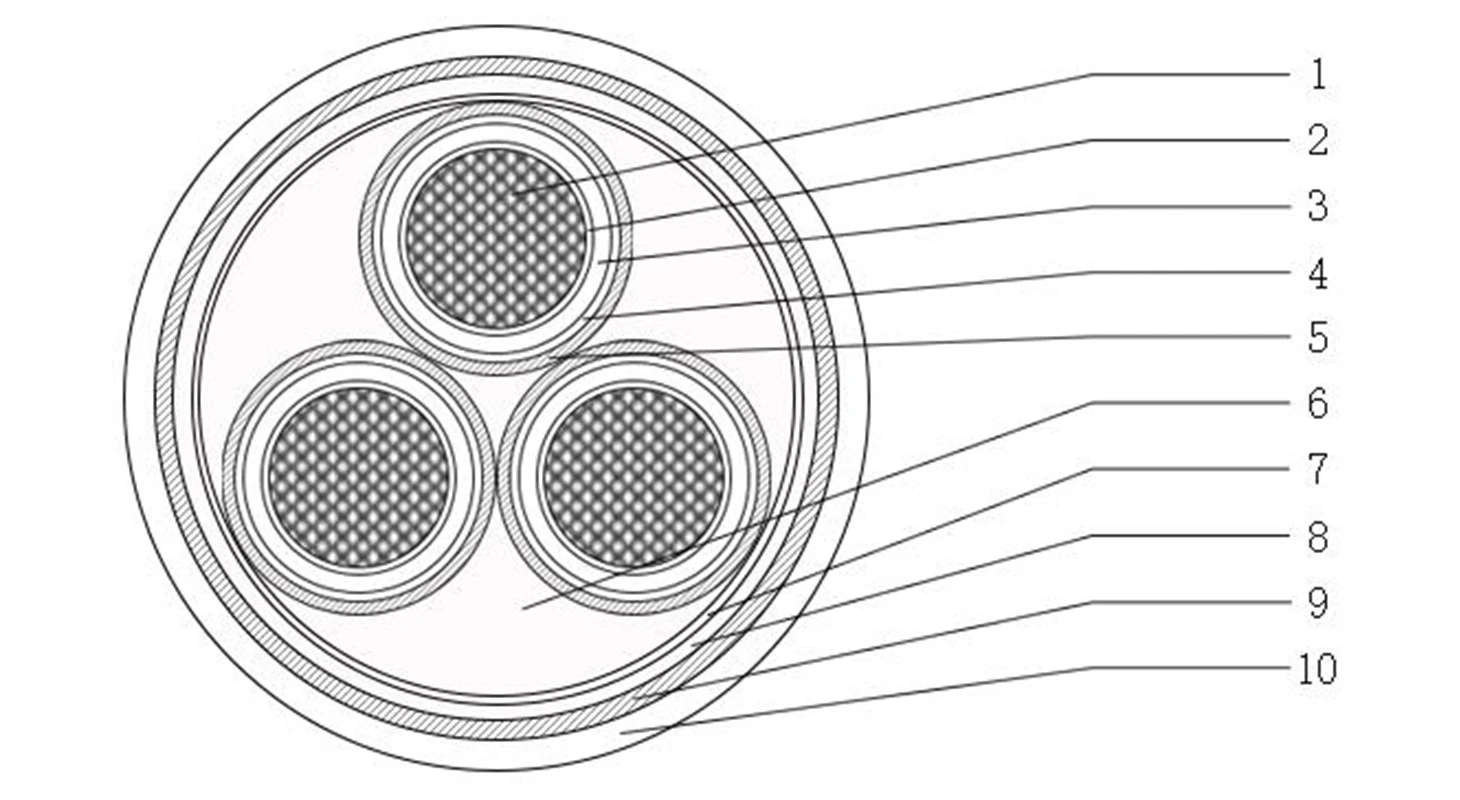
XLPE PVC Cable

XLPE PVC Cable
Product Introduction:
XLPE PVC cables have good waterproof sealing, oil resistance, chemical resistance, flame retardant and other properties and excellent torsion resistance and bending performance.
Send Inquiry
Description
Technical Parameters
Wind Power Cables Supplier


XLPE PVC cables based PVC-jacketed cables demonstrate multi-environmental stability through integrated hermetic sealing properties and hydrocarbon exposure tolerance. The composite structure provides:


  • Chemical inertness against industrial solvents (ASTM D543 compliant)
  • Self-extinguishing flame propagation characteristics (UL 1685 vertical tray tested)
  • Enhanced torsional rigidity (≥50 cycles @ IEC 60811-501)
  • Cold-flow resistant bending capacity (maintaining 90% conductivity @ 4D radius per ICEA S-93-639)


YJY23 8.7/15 KV
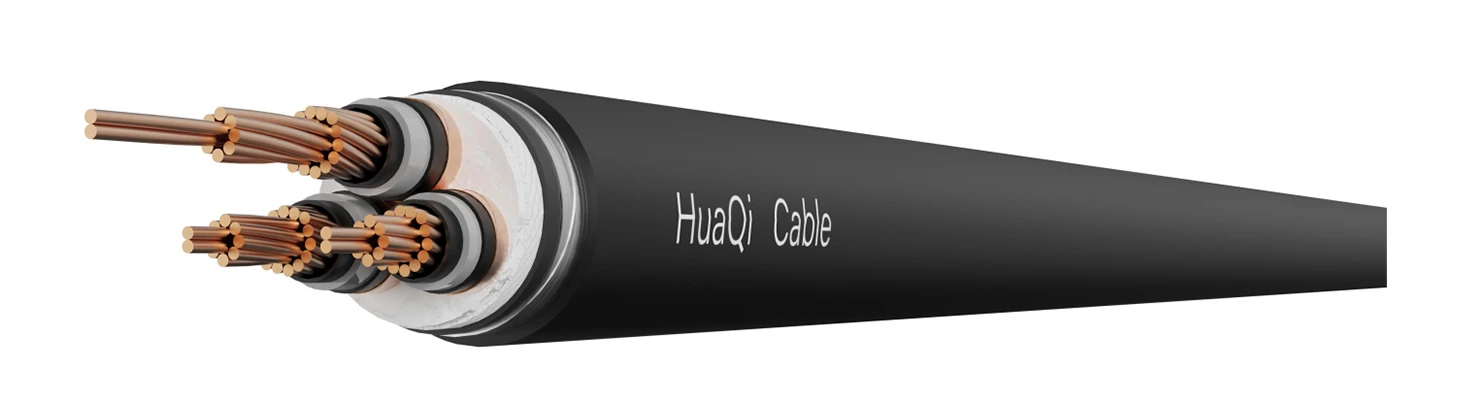
 

YJY23 26


Basic Info.


Voltage level:

8.7/15 KV

Implementation standard:

GB/T12706.1-2020

Maximum conductor temperature:

90℃

Maximum short-circuit temperature:

250℃

Minimum operating temperature:

-15℃

Minimum bending radius of cable during installation

(D is the outer diameter of the cable)

Single core

Multi-core

Armored

Armored

15D

12D


Specification


YJY23 26

1. Conductor: Oxygen-free pure copper (one type of conductor, two types of conductor)

2. Conductor shielding: semi-conductive shielding material

3. Insulation: XLPE

    Color: 1 core: natural color

    3 core: yellow, green, red

4. Insulation shielding: semi-conductive shielding material

5. Shield: copper tape

6. Filling: polypropylene mesh tape filling

7. Wrapping tape: non-woven fabric

8. Lining: polyethylene

9. Armor: galvanized steel tape

10. Sheath: polyethylene Color: black


FAQ


Q: What are the main applications for this cable?

A: XLPE PVC cables serve as critical infrastructure components in renewable energy transmission systems, with proven deployment in both terrestrial and marine wind farm configurations. For land-based installations, the cable architecture requires dynamic load distribution capabilities to accommodate topographical variations (mountainous gradients/plateau transitions) per IEC 62895 altitude stress protocols. Offshore implementations mandate marine-grade corrosion protection systems compliant with ISO 9224 C5-M classification, coupled with hydrodynamic stability engineering to withstand wave cyclic loading exceeding EN 61400-3 Category II specifications.

Q: What is the difference between YJY22 and YJY23?

A: The main difference between them is

  • Protective layer material:YJY22 uses a strong steel belt as a protective layer, while YJY23 tends to use a finer fine steel wire
  • Sheath material:In terms of sheath selection, YJY22 uses armored polyethylene insulation, a material with good insulation and durability, while YJY23 uses an armored polyvinyl chloride sheath, which may be slightly less weather-resistant but may be lighter in cost and weight.

Q: What does YJY23 mean?

A:

YJ

The insulation material is cross-linked polyethylene.

Y

The inner sheath is extruded polyethylene

2

The armoured material is tinned steel tape.

3

The outer sheath is polyethylene.


Hot Tags: xlpe pvc cable, China xlpe pvc cable suppliers, factory, Electrical Submersible Pump Cable, Multiple Core Flat Cable, Shield Tunneling Machine Cable, Flexible Trailing Cable, Twin Twisted Cable, rubber cable

Send Inquiry
you dream it, we design it
We can create the Wire&Cable
of your dreams
contact us