


As a supplier of clean energy cables, I've witnessed firsthand the remarkable growth and potential of clean energy sources like solar, wind, and hydro. Clean energy cables play a crucial role in transmitting power from these renewable sources to end - users. However, it's important to have an honest and comprehensive discussion about the disadvantages that come with these cables.
High Initial Investment
One of the most significant drawbacks of clean energy cables is the high initial investment required. Developing and manufacturing cables that can withstand the unique demands of clean energy applications, such as high - voltage transmission from wind farms or the specific environmental conditions of solar installations, involves advanced materials and sophisticated technologies.
For example, 30KV Aluminum Alloy Cable used in medium - voltage power transmission from large - scale clean energy projects often requires high - quality aluminum alloys and special insulation materials. The research, development, and production processes for these cables are costly. Additionally, the installation of clean energy cables can be complex and expensive. In offshore wind farms, laying cables on the seabed involves specialized equipment and skilled labor, which adds to the overall cost.
Limited High - Temperature Performance
Clean energy cables may face challenges in high - temperature environments. In solar power plants, especially in regions with intense sunlight, the cables can be exposed to high temperatures for extended periods. The insulation materials of the cables may degrade over time under such conditions.
Most traditional insulation materials have a limited temperature resistance range. When the temperature exceeds this range, the insulation properties of the cable may deteriorate, leading to increased electrical resistance, power losses, and even potential safety hazards such as short - circuits. For Solar Photovoltaic Energy Cable, continuous exposure to high temperatures can cause the outer sheath to become brittle, reducing its protection against environmental factors like moisture and UV radiation.

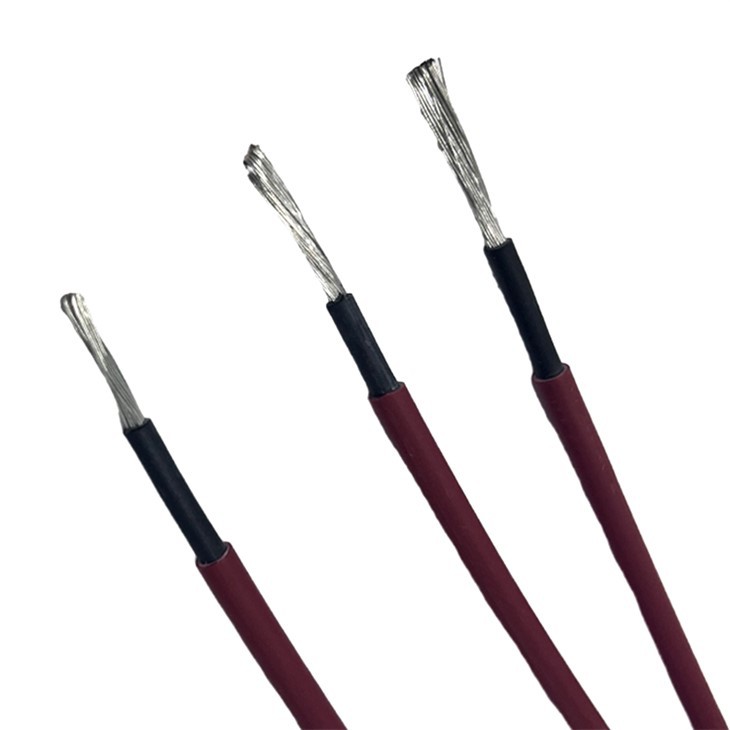
Susceptibility to Environmental Factors
Clean energy cables are often installed in harsh and remote environments, which makes them vulnerable to various environmental factors. In wind farms, cables are exposed to strong winds, vibrations, and extreme weather conditions. These factors can cause mechanical stress on the cables, leading to wear and tear.
The constant bending and flexing of Wind Power Cable due to the movement of wind turbine blades can damage the internal conductors and insulation. Moreover, in coastal areas, cables are at risk of corrosion from saltwater and humidity. The corrosion can gradually eat away at the cable's outer layer and conductors, reducing the cable's lifespan and performance.
Compatibility Issues
Another disadvantage is the compatibility issues that may arise when integrating clean energy cables with existing power grids. The power generated from clean energy sources often has different characteristics compared to traditional power sources. For example, solar and wind power are intermittent, and the voltage and frequency may fluctuate.
Clean energy cables need to be able to handle these fluctuations and be compatible with the grid's requirements. However, in some cases, the existing grid infrastructure may not be fully equipped to work seamlessly with these cables. This can lead to power quality issues, such as voltage sags and harmonics, which may affect the performance of electrical equipment connected to the grid.
Recycling Challenges
At the end of their lifespan, clean energy cables pose challenges for recycling. These cables are made up of a complex combination of materials, including metals, plastics, and insulation compounds. Separating and recycling these materials is a technically demanding and costly process.
The recycling facilities may not have the necessary technology and equipment to handle the specific types of materials used in clean energy cables. As a result, a significant amount of cable waste may end up in landfills, which is not only a waste of valuable resources but also has potential environmental impacts.
Difficulty in Maintenance and Repair
Maintaining and repairing clean energy cables can be difficult, especially in remote locations. In large - scale solar farms or offshore wind farms, accessing the cables for inspection and repair can be time - consuming and expensive.
The cables may be buried underground or laid underwater, which requires specialized equipment and techniques for maintenance. Moreover, diagnosing cable faults in these complex systems can be challenging. The intermittent nature of clean energy sources can also make it difficult to isolate the problem as the power flow may not be consistent.
Conclusion
Despite these disadvantages, clean energy cables remain an essential component of the clean energy infrastructure. The benefits of clean energy, such as reducing greenhouse gas emissions and dependence on fossil fuels, far outweigh the drawbacks. As a clean energy cable supplier, we are constantly working on research and development to overcome these challenges.
We are exploring new materials with better high - temperature resistance and environmental durability. We are also looking into more efficient recycling methods to reduce the environmental impact of cable waste. If you are interested in purchasing clean energy cables and want to discuss how we can address these potential issues in your specific project, please feel free to reach out to us. We are committed to providing high - quality cables and comprehensive solutions to meet your clean energy needs.
References
- "Handbook of Electrical and Electronic Insulating Materials", McGraw - Hill
- "Renewable Energy: Power for a Sustainable Future", Island Press
- Industry reports on clean energy cable technology and market trends.


