


Hey there! As a supplier of sub pump cables, I've seen firsthand the importance of safety when using these cables. Sub pump cables are crucial for powering submersible pumps, which are used in various applications like draining flooded areas, pumping water from wells, and in industrial settings. But if not used correctly, they can pose some serious risks. So, let's dive into the safety precautions you need to keep in mind when using a sub pump cable.
Inspect the Cable Regularly
The first and most important step is to regularly inspect your sub pump cable. Before each use, give it a good once - over. Look for any signs of damage such as cuts, abrasions, or frayed wires. A damaged cable can expose live wires, which is extremely dangerous as it can lead to electric shocks or short circuits.

If you find any damage, don't use the cable. Instead, replace it immediately. We offer a wide range of high - quality Electrical Submersible Pump Cable that are built to last and are designed with safety in mind. These cables are made from durable materials that can withstand the rigors of underwater use.
Use the Right Cable for the Job
Not all sub pump cables are created equal. You need to make sure you're using the right cable for your specific application. Consider factors like the length of the cable, the power requirements of your pump, and the environment in which it will be used.
For example, if you're using the pump in a wet or corrosive environment, you'll want a cable with a good protective sheath. Our PE Sheathed Cable is a great option in such cases. The polyethylene sheath provides excellent resistance to moisture, chemicals, and abrasion, ensuring the cable's longevity and safety.
Proper Installation
Proper installation of the sub pump cable is key to ensuring safety. When installing the cable, make sure it's routed in a way that it won't be pinched, crushed, or damaged by moving parts. Avoid sharp bends or kinks in the cable, as these can weaken the insulation and increase the risk of electrical problems.
Also, make sure all connections are secure. Loose connections can cause arcing, which can lead to fires or damage to the pump. Use appropriate connectors and follow the manufacturer's instructions for installation. If you're not confident in your installation skills, it's best to hire a professional electrician.
Avoid Overloading
Overloading the sub pump cable is a major safety hazard. Each cable has a maximum current - carrying capacity, and exceeding this capacity can cause the cable to overheat. Overheating can damage the insulation, leading to short circuits and potentially starting a fire.
To avoid overloading, make sure the pump you're using is compatible with the cable's capacity. Check the pump's power requirements and compare them to the cable's specifications. If you need to power a high - power pump, you may need to use a thicker or higher - rated cable.
Keep the Cable Dry
Since sub pump cables are often used in wet environments, it's essential to keep them as dry as possible when they're not in use. Water can seep into the cable and damage the insulation, increasing the risk of electrical problems.

When storing the cable, make sure it's in a dry place. If the cable gets wet during use, dry it thoroughly before storing it. You can use a clean, dry cloth to wipe the cable down.
Grounding
Proper grounding is crucial for the safety of any electrical equipment, including sub pumps and their cables. A grounded system helps to protect against electric shocks by providing a path for the electrical current to flow safely into the ground in case of a fault.
Make sure your sub pump cable is properly grounded according to local electrical codes. This may involve using a grounding wire and connecting it to a suitable grounding point. If you're unsure about the grounding requirements, consult a professional electrician.
Protect from Physical Damage
In addition to the regular wear and tear, sub pump cables can also be damaged by physical objects. In industrial or construction settings, for example, heavy machinery or tools can accidentally damage the cable.
To protect the cable, use cable protectors or guards. These can be made of materials like rubber or plastic and can be placed over the cable to prevent it from being crushed or cut. Also, make sure the cable is not in a location where it can be easily tripped over or stepped on.
Training and Education
Finally, make sure that anyone who uses the sub pump cable is properly trained. They should know how to inspect the cable, install it correctly, and use it safely. Provide training on the safety precautions and make sure all users are aware of the potential risks.
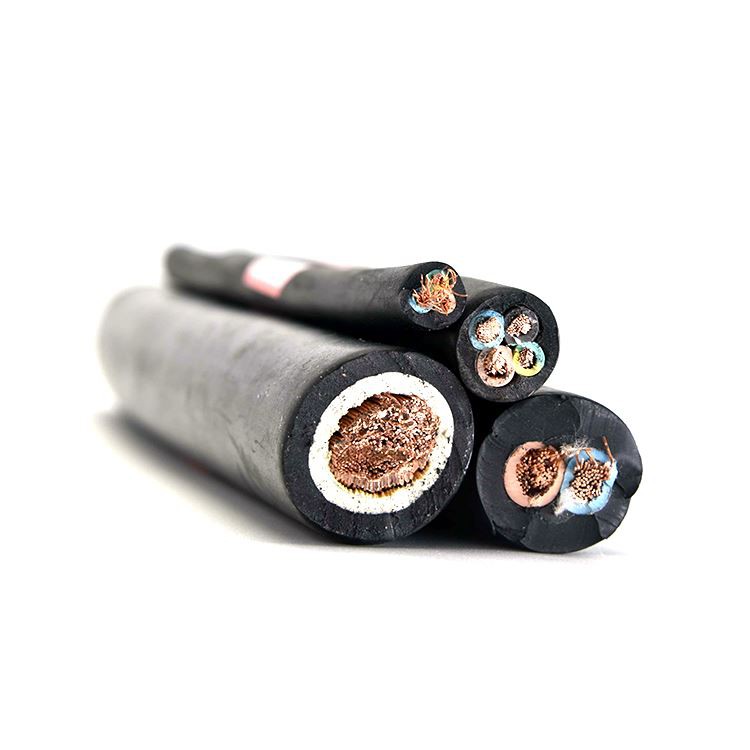
If you're a contractor or an industrial user, you may want to conduct regular safety training sessions for your employees. This can help prevent accidents and ensure the safe operation of your sub pump equipment.
Conclusion
Using a sub pump cable safely is of utmost importance. By following these safety precautions, you can minimize the risks of electrical accidents, protect your equipment, and ensure the longevity of your cable.
As a sub pump cable supplier, we're committed to providing you with high - quality products and the information you need to use them safely. If you have any questions about our Electrical Submersible Pump Cable, PE Sheathed Cable, or Tower Crane Cable, or if you're interested in purchasing our products, feel free to reach out to us. We're here to help you make the right choice for your needs.
References
- Electrical Safety Standards Handbook
- Manufacturer's Instructions for Submersible Pumps and Cables
- National Electrical Codes and Regulations


