

Cables are an important component of the power system, and their normal operation is crucial for ensuring the stability and safety of power supply. However, as cables are used for a long time and oxidized or corroded by air, their insulation performance will become lower and lower, eventually aging, hardening, or even peeling off. This not only affects their normal operation, but may also cause safety accidents. So, how to determine if the cable can still be used? In fact, it can mainly be judged by appearance, safety hazards, and performance.
01. Appearance inspection
If there are obvious damages, cracks, deformations, color changes, or peeling of the outer skin, it may indicate that the cable has aged or been damaged, and replacement needs to be considered.
02. Safety hazards
If there are safety hazards such as short circuit, leakage, overload, etc. in the cable, or if the capacity of the cable cannot meet the current load demand, it also needs to be replaced in a timely manner.
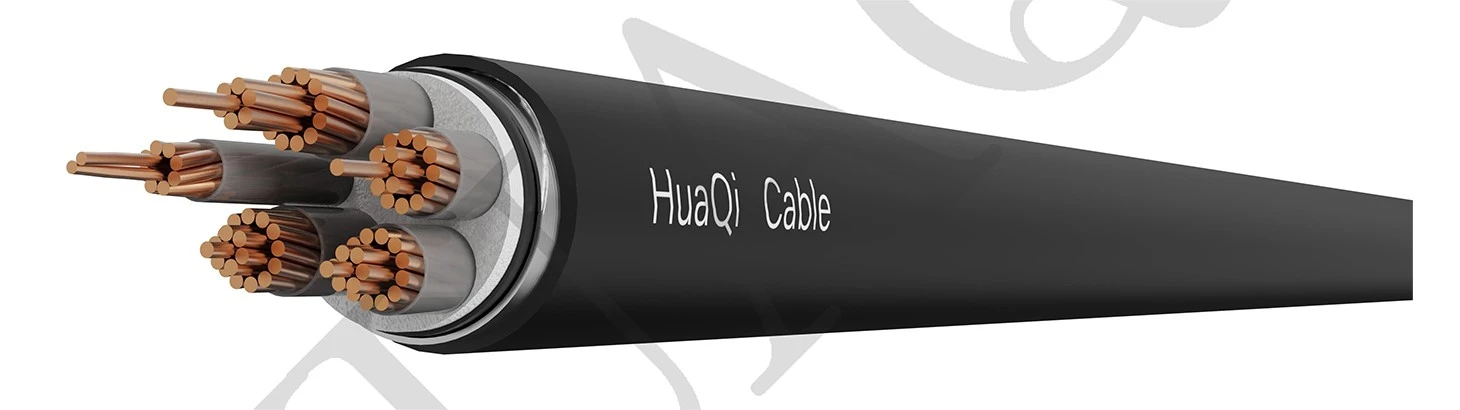
03. Insulation resistance test
By measuring the insulation resistance value of the cable, if the insulation resistance is less than the specified value, it indicates that the cable has an insulation fault and needs to be replaced.
04. Conductor resistance test
Use a conductor resistance meter to test the conductor of the cable. If the conductor resistance is greater than the specified value, it indicates that the conductor of the cable is oxidized and there may be a fault, requiring further inspection.
05. Voltage withstand test
By applying a certain voltage to test the voltage resistance performance of the cable, if electric breakdown or sparks are found during the test, it indicates that there is a serious problem with the insulation layer of the cable and it needs to be replaced or repaired in a timely manner.
In short, for the inspection and testing of cables, it is necessary to use professional tools and equipment, and possess certain professional knowledge and skills. It is recommended to hire a professional electrician for inspection and maintenance. If it is determined that the cable needs to be replaced, a cable that meets the national standard should be selected for replacement.


