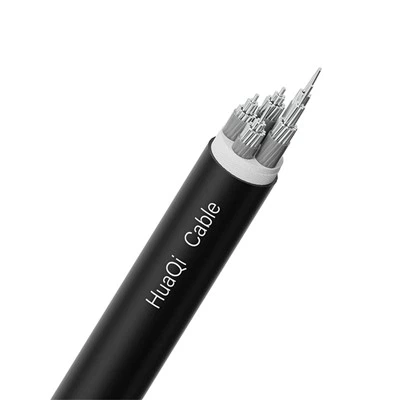
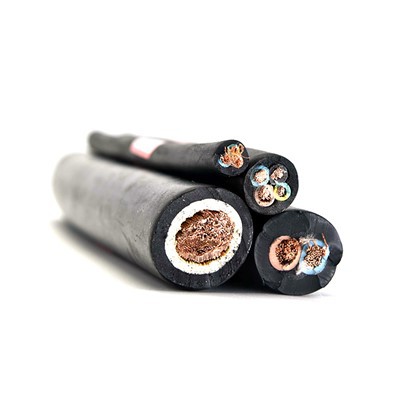
A drag chain cable, also known as a flexible cable or moving cable, is specifically designed to withstand continuous flexing and movement within a drag chain system. Drag chain systems are used in various industrial applications, such as automated machinery, robotics, and conveyor systems, to guide and protect cables and hoses while allowing them to move freely. It is essential to understand the concept of the bending speed limit of these cables to ensure safe and efficient operation.
Understanding the Bending Speed Limit
The bending speed limit of a drag chain cable refers to the maximum speed at which the cable can be bent and flexed within a drag chain without compromising its performance or durability. It is typically measured in cycles per minute (CPM) or meters per minute (m/min), depending on the application and the type of movement involved. Exceeding this speed limit can lead to premature cable failure, resulting in costly downtime, maintenance, and replacement.
Factors Affecting the Bending Speed Limit
- Cable Construction: The construction of the cable, including the type of insulation, conductor material, and cable design, plays a significant role in determining its bending speed limit. For example, cables with a high-quality, flexible insulation material, such as PUR (polyurethane), can generally withstand higher bending speeds compared to those with a less flexible insulation, such as PVC (polyvinyl chloride).
- Cable Diameter: The diameter of the cable also affects its bending speed limit. Thicker cables tend to have a lower bending speed limit due to their increased stiffness and reduced flexibility. Therefore, when selecting a drag chain cable, it is important to choose the appropriate cable diameter based on the specific application requirements.
- Drag Chain Design: The design of the drag chain, including its pitch, radius, and type of movement, can also impact the cable's bending speed limit. A drag chain with a smaller pitch and a larger bending radius can generally accommodate higher bending speeds compared to a drag chain with a larger pitch and a smaller bending radius. Additionally, the type of movement, such as linear or circular, can also affect the cable's performance and durability.
- Operating Conditions: The operating conditions, including the temperature, humidity, and presence of chemicals or contaminants, can also influence the cable's bending speed limit. Extreme temperatures, high humidity, and exposure to harsh chemicals can all degrade the cable's insulation and conductor materials, reducing its flexibility and increasing the risk of failure. Therefore, it is important to select a drag chain cable that is suitable for the specific operating conditions.
Importance of Adhering to the Bending Speed Limit
Adhering to the bending speed limit of a drag chain cable is crucial for ensuring its long-term performance and reliability. Exceeding the bending speed limit can cause several issues, including:
- Insulation Damage: The repeated bending and flexing of the cable at high speeds can cause the insulation material to crack and break, exposing the conductors and increasing the risk of electrical shorts and failures.
- Conductor Fatigue: The continuous movement of the conductors within the cable can cause them to fatigue and break over time, leading to loss of electrical conductivity and potential system failures.
- Reduced Cable Life: Operating the cable beyond its bending speed limit can significantly reduce its lifespan, requiring more frequent replacement and increasing maintenance costs.
- Safety Hazards: A failed drag chain cable can pose a safety hazard to personnel and equipment, as it can cause electrical arcing, short circuits, and other dangerous conditions.
How to Determine the Bending Speed Limit
Determining the bending speed limit of a drag chain cable requires a careful consideration of the factors mentioned above. While some cable manufacturers may provide specific bending speed limits for their products, it is important to note that these limits are often based on ideal laboratory conditions and may not necessarily reflect the actual performance of the cable in real-world applications.
To determine the appropriate bending speed limit for a specific application, it is recommended to consult with a cable manufacturer or a qualified engineer. They can help assess the application requirements, select the appropriate cable type and size, and provide guidance on the optimal bending speed limit based on the specific operating conditions.


Applications of Drag Chain Cables
Drag chain cables are used in a wide range of industrial applications, where continuous flexing and movement are required. Some common applications include:
- Automated Machinery: In automated manufacturing processes, drag chain cables are used to supply power, control signals, and data to various components, such as robots, CNC machines, and conveyor systems. Linking to Tower Crane Cable, these cables need to withstand high bending speeds and frequent movements to ensure the smooth operation of the machinery.
- Robotics: Robots require flexible and reliable cables to transmit power and signals to their joints and actuators. Drag chain cables are ideal for these applications, as they can withstand the continuous bending and twisting motions of the robot arms.
- Conveyor Systems: Conveyor systems use drag chain cables to power and control the movement of the conveyor belts. These cables need to be able to withstand the constant flexing and movement of the conveyor system to ensure reliable operation.
- Machine Tools: Machine tools, such as lathes, milling machines, and drilling machines, use drag chain cables to supply power and control signals to the various components of the machine. These cables need to be able to withstand the high-speed movements and vibrations of the machine tools. Linking to Cable Wire for Submersible Pump, in some cases, submersible pump applications may also benefit from the flexibility and durability of drag chain cables.
- Tunnel Boring Machines: Tunnel boring machines (TBMs) require specialized cables that can withstand the harsh operating conditions, including high pressure, temperature, and vibration. Drag chain cables are used to supply power and control signals to the various components of the TBM, such as the cutter head, conveyor system, and hydraulic pumps. Linking to Tunnel Boring Machine Cable, these cables need to be able to withstand the continuous bending and movement of the TBM to ensure the safe and efficient operation of the tunneling process.
Conclusion
As a drag chain cable supplier, we understand the importance of providing high-quality cables that can meet the specific requirements of our customers. Our drag chain cables are designed and manufactured using the latest technology and materials to ensure maximum flexibility, durability, and performance. By adhering to the bending speed limit and other operating parameters, our customers can ensure the long-term reliability and safety of their drag chain systems.
If you are in need of drag chain cables for your industrial applications, we invite you to contact us to discuss your specific requirements. Our team of experts will be happy to assist you in selecting the right cable for your needs and provide you with a competitive quote. We look forward to the opportunity to work with you and help you achieve your goals.
References
- Groth, C. (2019). Flexible Cables for Drag Chains: Design, Selection, and Application. Industrial Cable Technology Handbook.
- Nehring, M. (2020). Understanding the Bending Limits of Drag Chain Cables. Electrical Wiring and Cabling Magazine.
- Smith, J. (2021). Best Practices for Using Drag Chain Cables in Industrial Applications. Automation Today Journal.