What is the buoyancy of EPR Rubber Cable?


As an experienced supplier of EPR Rubber Cables, I have encountered numerous inquiries from clients regarding the unique properties of our products. One question that often arises is about the buoyancy of EPR Rubber Cables. In this blog, I aim to provide a detailed and scientific explanation of the buoyancy characteristics of EPR Rubber Cables, shedding light on its significance and practical implications.
Understanding the Basics of Buoyancy
Before delving into the buoyancy of EPR Rubber Cables, it is essential to understand the fundamental concept of buoyancy. According to Archimedes' principle, any object immersed in a fluid experiences an upward force equal to the weight of the fluid displaced by the object. This upward force is known as buoyant force, and it plays a crucial role in determining whether an object will float or sink in a given fluid.
Composition of EPR Rubber Cables
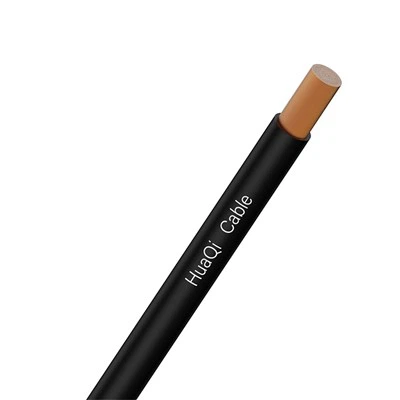
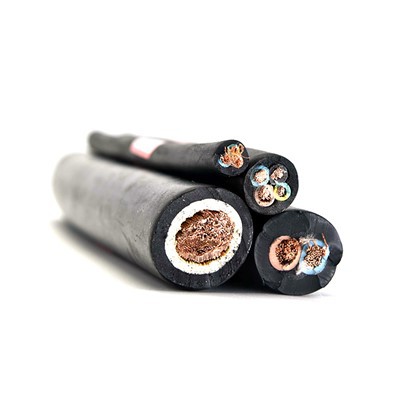
To comprehend the buoyancy of EPR Rubber Cables, it is necessary to examine their composition. EPR, or Ethylene Propylene Rubber, is a synthetic elastomer known for its excellent electrical insulation properties, weather resistance, and flexibility. EPR Rubber Cables typically consist of a conductor, insulation made of EPR rubber, and sometimes additional layers for protection and mechanical strength.
The density of EPR rubber is a key factor in determining the buoyancy of the cable. EPR rubber has a relatively low density compared to some other materials used in cable manufacturing, such as PVC or cross - linked polyethylene (XLPE). The low density of EPR rubber contributes to the overall buoyancy of the cable.
Factors Affecting the Buoyancy of EPR Rubber Cables
-
Cable Design and Construction
The design and construction of EPR Rubber Cables can significantly impact their buoyancy. For example, the thickness of the insulation layer, the presence of additional protective sheaths, and the type and size of the conductor all affect the overall weight and density of the cable. A cable with a thinner insulation layer and a lighter conductor will generally have better buoyancy compared to a cable with a thicker insulation and a heavier conductor. -
Fluid Properties
The buoyancy of EPR Rubber Cables also depends on the properties of the fluid in which they are immersed. Different fluids have different densities, and the buoyant force acting on the cable will vary accordingly. For instance, cables will float more easily in saltwater than in freshwater because saltwater has a higher density. -
Cable Length and Diameter
The length and diameter of the EPR Rubber Cable also play a role in its buoyancy. Longer and wider cables displace more fluid, which can increase the buoyant force acting on them. However, the weight of the cable also increases with length and diameter, so there is a balance between the buoyant force and the weight of the cable.
Practical Applications of Buoyant EPR Rubber Cables
-
Marine and Underwater Applications
In marine and underwater environments, the buoyancy of EPR Rubber Cables is highly advantageous. These cables can be used for various purposes, such as underwater lighting, submersible pumps, and communication systems. The buoyancy of the cables helps to keep them afloat or suspended in the water, reducing the risk of damage from contact with the seabed or other underwater obstacles. -
Floating Structures
EPR Rubber Cables with good buoyancy are also suitable for use in floating structures, such as floating docks, rafts, and offshore platforms. The cables can be easily installed and maintained in these structures, and their buoyancy ensures that they remain in the desired position without sinking.
Comparing with Other Types of Rubber Cables
When considering the buoyancy of EPR Rubber Cables, it is interesting to compare them with other types of rubber cables. For example, Neoprene Welding Cable is another popular type of rubber cable. Neoprene has different density characteristics compared to EPR rubber. Neoprene is generally more dense than EPR rubber, which means that Neoprene Welding Cables may have relatively lower buoyancy compared to EPR Rubber Cables.
Similarly, Rubber Welding Cable and Silicone Rubber Wire also have their own unique density profiles. Each type of cable has its own set of advantages and disadvantages in terms of buoyancy, depending on the specific application requirements.
Measuring and Testing the Buoyancy of EPR Rubber Cables
To ensure the quality and performance of our EPR Rubber Cables in terms of buoyancy, we conduct various testing procedures. These tests involve measuring the weight of the cable in air and then measuring the buoyant force acting on the cable when it is immersed in a fluid. By comparing these values, we can accurately determine the buoyancy characteristics of the cable.
The Importance of Buoyancy in Cable Selection
When selecting cables for specific applications, buoyancy is an important factor to consider, especially in applications where the cable will be used in or around fluids. For applications that require the cable to float or remain suspended in the water, EPR Rubber Cables with good buoyancy are an ideal choice. On the other hand, if the cable needs to be submerged and remain in place, a cable with lower buoyancy may be more suitable.
Conclusion
In conclusion, the buoyancy of EPR Rubber Cables is a significant property that is influenced by factors such as cable design, fluid properties, and cable dimensions. The low density of EPR rubber contributes to the overall buoyancy of the cable, making it suitable for a wide range of applications, including marine and underwater environments and floating structures.
If you are interested in learning more about our EPR Rubber Cables or have any specific requirements regarding buoyancy or other cable properties, please do not hesitate to contact us. We are ready to engage in in - depth discussions to address your needs and help you select the most appropriate cable for your application.
References
- Principles of Fluid Mechanics, John Wiley & Sons
- Handbook of Cable Engineering, CRC Press
- Properties and Applications of EPR Rubber, Rubber Research Institute Publications