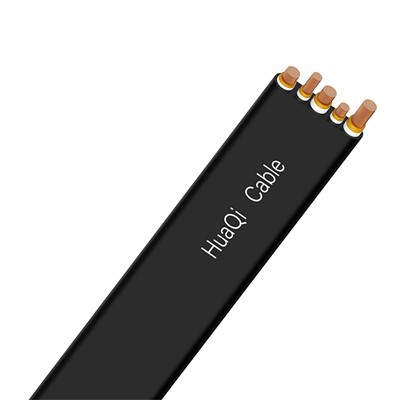
Hey there! As a supplier of clean energy cables, I often get asked about how these cables handle heat dissipation. It's a crucial aspect, especially when we're talking about the efficiency and longevity of clean energy systems. So, let's dive right in and explore this topic.
First off, why is heat dissipation such a big deal? Well, when electricity flows through a cable, resistance causes some of the electrical energy to be converted into heat. If this heat isn't properly managed, it can lead to a bunch of problems. For example, excessive heat can degrade the cable's insulation over time, increasing the risk of short - circuits and electrical failures. It can also reduce the cable's overall performance and lifespan, which is definitely not what we want in a clean energy setup.
One of the key factors in heat dissipation is the material of the cable conductor. Most of our clean energy cables use high - quality conductors like aluminum alloy. Aluminum alloy is a great choice because it has good electrical conductivity, which means less resistance and less heat generation in the first place. For instance, our 30KV Aluminum Alloy Cable and 35KV Aluminum Alloy Cable are designed with this in mind. The alloy composition is carefully engineered to balance conductivity and mechanical strength, ensuring optimal performance even under high - load conditions.
But it's not just about the conductor material. The cable's insulation also plays a vital role in heat dissipation. We use advanced insulation materials that not only provide excellent electrical insulation but also have good thermal properties. These materials can transfer heat away from the conductor more effectively, helping to keep the cable cool. For example, some of our insulation materials have high thermal conductivity, which allows heat to move through them quickly and dissipate into the surrounding environment.
Another important aspect is the cable's design. We've spent a lot of time researching and developing cable designs that enhance heat dissipation. One common design feature is the use of multiple layers. Each layer has a specific function, and some are designed to improve heat transfer. For example, we might have a layer that acts as a heat - conducting shield, which helps to direct the heat away from the core of the cable.
In addition to the internal design, the way the cable is installed also affects heat dissipation. When installing our Energy Cable, it's important to ensure that there is enough space around the cable for air to circulate. Air circulation is a natural way to cool the cable, as it carries away the heat. We recommend leaving a certain amount of clearance between cables and other objects, and avoiding bundling cables too tightly together.
We also take into account the operating environment when designing our cables. Different environments have different temperature and humidity levels, which can impact heat dissipation. For example, in a hot and humid environment, the cable might need to be more resistant to moisture and have better heat - dissipation capabilities. That's why we offer a range of cables that are specifically designed for different environmental conditions.
Now, let's talk about some of the testing and quality control measures we have in place. Before any of our cables hit the market, they go through rigorous testing to ensure they meet our high standards for heat dissipation. We use specialized equipment to measure the temperature rise of the cable under different load conditions. This allows us to accurately assess how well the cable can handle heat and make any necessary adjustments to the design or materials.
We also conduct long - term aging tests to simulate the cable's performance over its expected lifespan. These tests help us identify any potential issues with heat - related degradation and ensure that our cables will continue to perform reliably for years to come.
In conclusion, heat dissipation is a complex but crucial aspect of clean energy cables. By using high - quality materials, innovative designs, and strict quality control measures, we're able to provide cables that can effectively handle heat and deliver optimal performance. Whether you're working on a small - scale solar project or a large - scale wind farm, our clean energy cables are designed to meet your needs.


If you're interested in learning more about our clean energy cables or have any questions about heat dissipation, don't hesitate to reach out. We're always happy to have a chat and help you find the right cable for your project. Let's work together to build a cleaner and more sustainable future!
References
- Electrical Cable Engineering Handbook, various editions
- Journals on Electrical Conductivity and Thermal Management in Cables