


Hey there! As an industry cable supplier, I often get asked about the installation costs associated with industry cables. It's a topic that's crucial for anyone looking to set up or upgrade their cable systems, whether it's for a small business or a large industrial operation. In this blog, I'll break down the various factors that contribute to these costs and give you a better understanding of what to expect.
Types of Industry Cables and Their Installation Considerations
First off, let's talk about the different types of industry cables. There are so many out there, each designed for specific applications. For example, Underground Mining Cable is used in harsh underground environments, where it needs to withstand extreme conditions like moisture, abrasion, and high levels of electrical interference. The installation of these cables is no walk in the park. You've got to deal with drilling through rock, laying the cables in proper conduits to protect them, and making sure they're properly grounded to prevent electrical hazards.
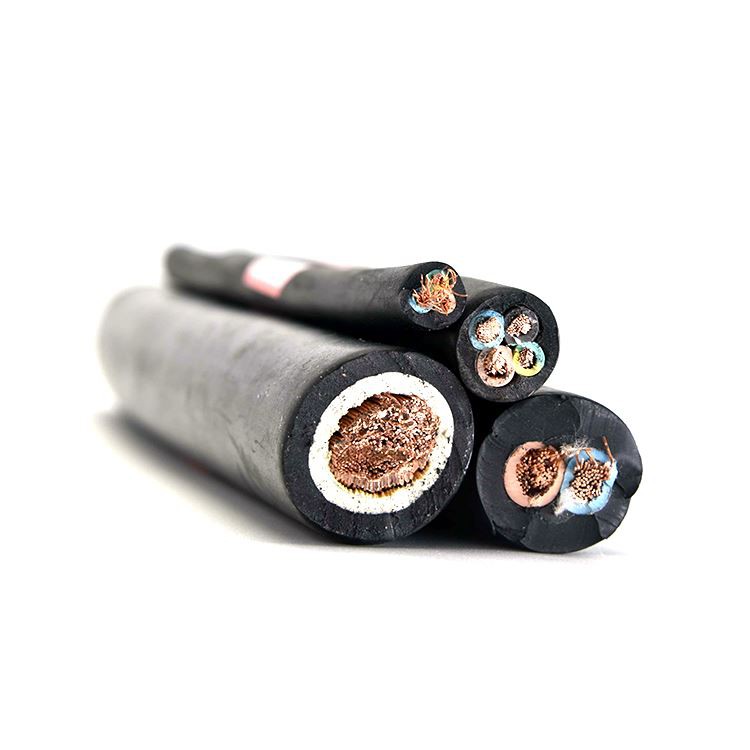

Then there's Electrical Submersible Pump Cable. These cables are used to power pumps that are submerged in water, such as in wells or sewage systems. Installing them requires careful planning to ensure they can handle the constant exposure to water and the mechanical stress of being pulled and pushed around. You also need to make sure the connections are watertight to prevent short circuits.
And let's not forget about Robotic Flexible Cables. These cables are used in robotic systems, where they need to be flexible enough to move with the robot's joints and arms. Installing them involves precise routing to avoid tangling and ensuring they can withstand the high number of bending cycles without breaking.
Factors Affecting Installation Costs
Now, let's get into the nitty-gritty of what actually affects the installation costs of industry cables.
Cable Length
One of the most obvious factors is the length of the cable. The longer the cable, the more material you'll need, and the more labor it will take to install it. For example, if you're running a cable across a large industrial site, you'll need to account for the cost of the cable itself, as well as the cost of digging trenches or installing conduits to protect it.
Cable Type and Specification
Different types of cables have different costs. High-quality cables that are designed for specific applications, such as those used in mining or robotics, are usually more expensive than standard cables. Additionally, cables with higher voltage ratings or special insulation requirements will also cost more. For example, a cable that needs to be fire-resistant or explosion-proof will have a higher price tag.
Installation Environment
The environment in which the cable is being installed also plays a big role in the cost. If you're installing cables in a difficult-to-reach area, such as underground or in a confined space, you'll need to use specialized equipment and techniques, which can increase the labor cost. Similarly, if the installation site is in a hazardous environment, such as a chemical plant or a mine, you'll need to take extra safety precautions, which can also add to the cost.
Labor Costs
Labor costs are a significant part of the installation cost. The amount of labor required depends on the complexity of the installation. For example, installing a simple cable run in a straight line is much easier and less time-consuming than installing a cable that needs to be routed through multiple floors or around obstacles. Additionally, the skill level of the installers also affects the cost. Experienced electricians or cable installers will usually charge more than less experienced workers.
Additional Equipment and Accessories
In addition to the cable itself, you may also need to purchase additional equipment and accessories, such as connectors, conduits, cable trays, and grounding systems. These items can add up quickly, especially if you need high-quality or specialized components.
Cost Estimation and Budgeting
So, how do you estimate the installation costs of industry cables? The first step is to get a detailed understanding of your project requirements. This includes determining the length and type of cable you need, the installation environment, and any special requirements or specifications. Once you have this information, you can start getting quotes from cable suppliers and installation contractors.
When getting quotes, make sure to ask for a breakdown of the costs, including the cost of the cable, labor, equipment, and any additional fees. This will help you compare quotes from different suppliers and contractors and make an informed decision.
It's also important to budget for unexpected costs. There are often unforeseen issues that can arise during the installation process, such as encountering underground utilities or having to make changes to the installation plan. Having a contingency fund in your budget can help you deal with these issues without breaking the bank.
Conclusion
In conclusion, the installation costs associated with industry cables can vary widely depending on a number of factors, including the type and length of the cable, the installation environment, labor costs, and additional equipment and accessories. As an industry cable supplier, I understand the importance of providing high-quality cables at a reasonable price, as well as helping my customers estimate and manage their installation costs.
If you're in the market for industry cables and need help with installation, I'd love to chat. Whether you're working on a small project or a large industrial installation, I can provide you with the right cables and expert advice to ensure your project is a success. Don't hesitate to reach out and start a conversation about your cable needs and installation requirements.
References
- Electrical Installation Handbook, Schneider Electric
- National Electrical Code (NEC), National Fire Protection Association (NFPA)
- Cable Installation Best Practices, IEEE Standards Association


